





The 2025 Q4 wave of the GSL Index is our biggest yet, and student free-text comments reveal what truly matters for students when it comes to their accommodation. While positive feedback highlights recycling and sustainability, student support, staff, social life and security, the areas attracting the most negative comments offer valuable lessons for operators.
Maintenance and repairs: a key hygiene factor
Repairs and maintenance emerge as the top area for improvement. Student feedback consistently focuses on two key factors: speed and effectiveness. When problems are resolved promptly, the service is described as efficient and helpful. However, delays cause significant frustration for students, particularly when issues affect daily comfort.
The challenge for operators is that for students, maintenance is a hygiene factor rather than a value-add. When systems work, they’re rarely celebrated. However, when they don’t, dissatisfaction surfaces quickly. Students want faster response times, clearer communication throughout the repair process, and durable, first-time-right solutions rather than temporary fixes.
Notably, students also call for more preventative maintenance, arguing that better upkeep can reduce repair volumes altogether. Student comments highlight that students expect that providers should be proactive rather than reactive in managing building quality.
“I would argue that the care and support at my accommodation is practically little to none. Myself and multiple other students within the accommodation have had many maintenance issues that once reported can take months to even fix and acknowledge.”
“My flat has had so many issues with lights going out, stoves not working, the drainpipe on one of our sinks wasn’t screwed on properly, so it leaks when we use it. It has been really disruptive to my studies and everyday activities, it has prevented me from cooking, cleaning and studying.”
“I feel as though some issues aren’t tackled properly. For example, we have a problem with our pipes that makes our whole flat smell of sewage, and the solution was to pour air freshener down the drains. The staff were super nice, but the air freshener seems to be a temporary solution.”
Recycling and sustainability: students want it to be easy to act on their good intentions
Despite recycling and sustainability topping the list of positive comments, students identify significant gaps in delivery. The key insight from student feedback is that students are willing to recycle, but current systems often make it harder than necessary.
The most prominent frustrations centre on unclear labelling, inconsistent rules across buildings, insufficient or overflowing bins, and poorly maintained recycling areas. These issues create confusion about what can be recycled and reduce confidence that efforts are meaningful, leading some students to question whether waste is being processed correctly.

“I definitely think that more awareness and more signage should be put up about recycling, especially because I noticed that even on our bins, the signs where it would say what would be allowed into the recycling bin wasn’t very clear. It was all faded. So, it’s clear that it hasn’t been updated and it hasn’t been looked after in recent years.”
Energy use and efficiency also emerge as environmental concerns, particularly where buildings feel overheated or where students have limited control over temperature. Students view these as provider-led responsibilities rather than issues that can be solved solely through individual behaviour.
Student comments highlight a desire for better-designed recycling systems with visual guides, more consistent approaches across sites, and improved energy efficiency. Crucially, they also want clearer communication about sustainability efforts and reassurance that their recycling is genuinely recycled. Students expect sustainability to be a clearly designed, well-communicated system they can trust and participate in, rather than just a claim.
“I try to recycle properly, but when I actually go to throw things away, I’m not sure if the waste is being sorted correctly.”
“Many residents find the recycling bins confusing or inconveniently placed, leading to recyclable items ending up in the general waste. Clearer signage, more accessible recycling points and separate bins for food waste will make a big difference. It’s a realistic, impactful change that could reduce the accommodation’s overall environmental footprint without any institutional changes.”
Communication and management: the right information at the right time
While communication is generally described as functional, students highlight opportunities for improvement. The need for more advanced notice tops the list, particularly around changes, maintenance or disruptions. Students want to feel prepared rather than informed at short notice.
Volume and relevance also matter. Some feel communications can be better targeted, with fewer generic messages and clearer prioritisation of important information. Students seek communication that is intentional and student-centred, rather than frequent communication.
Responsiveness emerges as another priority, with students wanting clearer pathways for two-way communication, faster follow-ups and greater visibility on outcomes.
“I like the care I receive, but would benefit from having a more specific allocation time for maintenance visits and fire safety inspections, as I often come back to find that someone has entered without me being there, and that makes me very anxious.”
“It can often feel like you’re bothering them when asking for maintenance.”
“We just get emails, which is okay. Don’t think I would want to get messages from another media type. An Instagram account for this specific residence could be fun and maybe make it easier to ask questions.”
Application and booking: the need to reduce friction and anxiety
The booking experience is described as functional but uneven. While many students successfully complete bookings, the process is not always intuitive or confidence-building. Confusing systems, unclear instructions and information gaps leave students uncertain about whether they have completed the process correctly.
Students call for more intuitive platforms, more time to complete their booking, clearer pre-booking information about contracts and pricing, and faster communication and confirmation. The goal is an experience designed around reassurance and clarity, particularly important for international students and first-time renters.
“The time limit on bookings being so short for a large amount of information is incredibly stressful as someone with disabilities.”
“There was very little information about what accommodation was still available … and I wish I had been informed about that when I went to the open day just a week before choosing my accommodation, or when I viewed the accommodations. For example, there were accommodations open for touring that had no rooms available for the year I was applying. And so that would have been nice to know because it would have factored into my decision.”
Move-In: getting first impressions right
Move-in experiences vary significantly. When well executed, students appreciate friendly staff, clear instructions, and clean rooms ready for them to move into. However, many identify friction points – rushed time slots, rooms not cleaned to acceptable standards, and confusing logistics around key collection and check-in sequencing.
“Bad experience: I told the staff I would arrive after hours, but it took me so long to wait for security to give me the key at night. It made me feel scared as it was my first day here after a long-haul flight, travelling with a big suitcase, and there was no one here for me.”
Students want longer or more flexible arrival windows, improved pre-arrival communication, higher standards of room readiness, and better on-the-day support. First impressions matter, and move-in represents a critical moment to demonstrate organisational competence and care.
“As a Moroccan, this was my first time leaving my country, so I would prefer more guidance. When I arrived, they gave me the key without explaining how to use it. They didn’t consider that we don’t have these kinds of keys in Morocco. Secondly, when I entered the flat, at first everything was new for me, from the oven to the shower to the heater, so I struggled for days to know how to use it – even how to open and close the window was new for me. So, I recommend providing full guidance for newcomers.”
Looking Ahead
Throughout 2026, we’ll be publishing longer feature articles exploring each of these areas in depth. However, the message from students is clear – operational excellence in accommodation comes down to reliable systems, clear communication and thoughtful design that makes doing the right thing easy. What is clear from student comments is that students are not calling for radical change; rather, they are seeking consistent excellence in everyday basics.
Get Involved
The GSL Index provides private purpose-built student accommodation operators, universities, and colleges with a simple, powerful, and cost-effective solution for understanding and tracking students’ experience during their time with you.
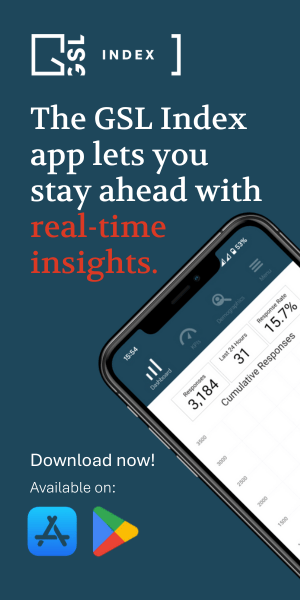
The GSL Index app provides you with a real-time window into Index survey data and respondent experiences. The app lets you track response rates and overall results within a timeframe you set, and dive into property-specific data to monitor campaign progress. The app’s AI-powered “Experiences” section (see right) analyses and categorises free-text and video feedback, assigning a sentiment (positive, negative, or neutral) to each response, giving you an at-a-glance view of the overall feeling on any given topic.
Contact us at: [email protected] to learn more.